pages

Showing posts with label quick weight loss diets. Show all posts

Sunday, June 29, 2014

Getting Rid of the Love Handles by Doing Two Killer Exercises

I know how confusing advertisements can be, filled with magical pills and unhealthy actions. If you are thinking the same way, then you might enjoy this article.


The “love handles” area, right around the hips, is probably the worst one to lose weight. It might be hard, but it is not impossible! This is why you are reading this article – I will give you two exercises that will exhaust you but it’s worth it. 

Trunk Twists

Stand with your feet shoulder width apart. Then you reach your arms out in the form of a T, but remember to always keep you head and legs straight. Rotate your body to the left, contract your stomach and oblique muscles and stretch your limbs for a few seconds. Increase the reps and sets and add weight if you have a bar when you can.

Oblique Crunches

Lay on the floor, bend your legs to a 90 degree angle and make sure your feet are not touching the ground. Place your hands behind your neck and squeeze your stomach muscles when you bring your right elbow to your left knee. Stay in that position for at least 20 seconds. Repeat by switching hands and legs.
And this is it. It’s easy to do, you just need some persistence. Come on, you can do it!

Tuesday, May 20, 2014

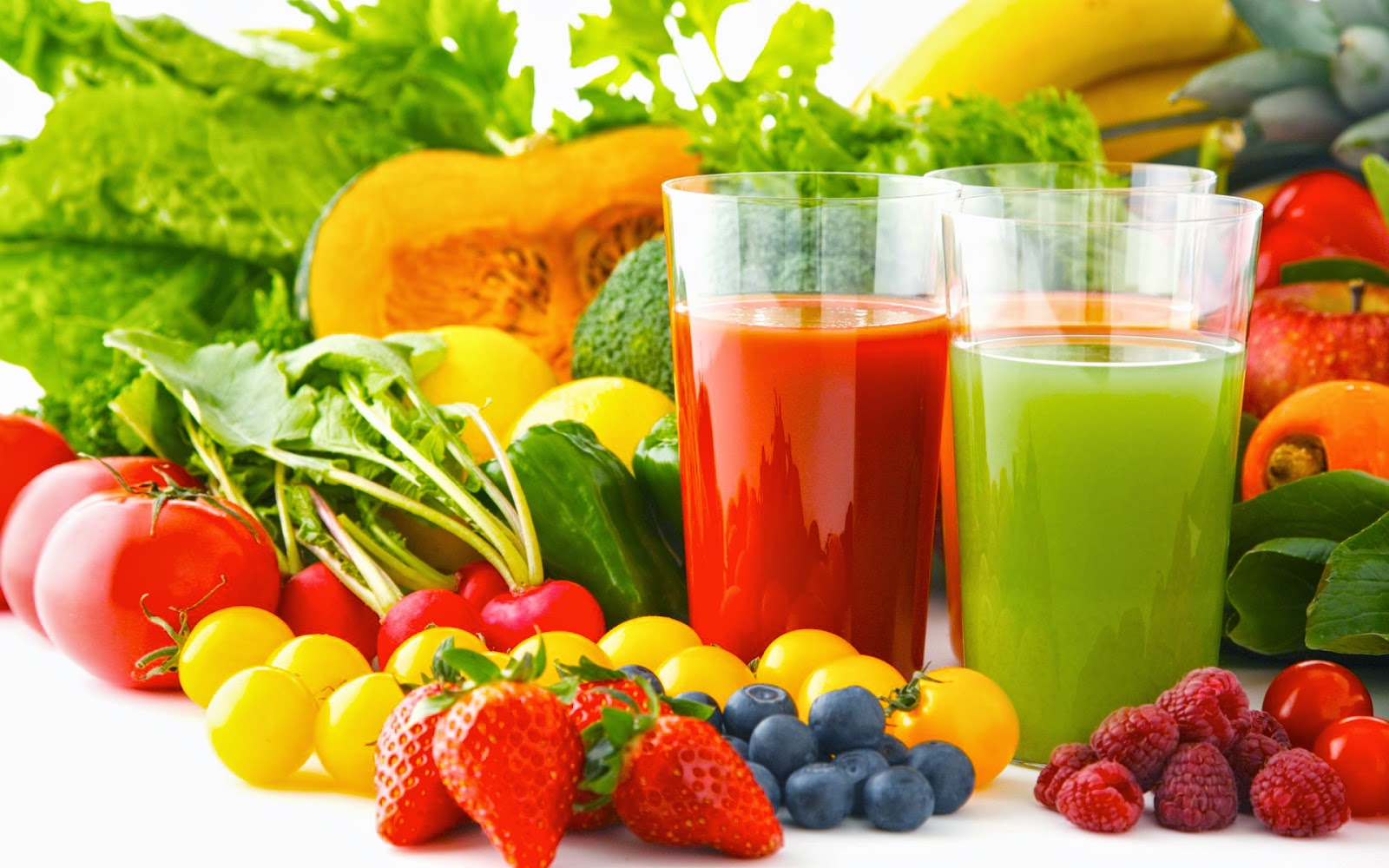
Juice veggies, be fit

Looking for vegetarian, gluten-free, nourishing, green food? Well, vegetable juice is the answer. 


They are packed with essential vitamins and minerals and when consumed once a day, they shows visible results in a month or two on your skin and hair, when accompanied with a healthy lifestyle. Here are a few recipes you can try at home.

Cool cucumber

Take two medium sized washed and peeled cucumbers and grate them (you could also cube them and then pulp them in a blender).
Strain the pureed/grated cucumber and serve over ice in a tall glass. You could add a few small cubes of cucumber to the drink.

Nutritional content

100 gms: 

- Vitamin K - 21%
- Vitamin C - 5%

Tangy and green

Peel and cube kiwis and green apples. Blend in a food processor with a few mint leaves and pour in a glass to serve. Garnish with a sprig of mint leaves.


Nutritional content

1 cup or 177 gms: 

- Vitamin C - 273%
- Calcium 6%
- Iron, Vitamin A - 3%

A glassful of health

Wash and blanch handful of spinach and a few florets of broccoli. Chop and put in a processor to blend. Add a few sprigs of celery and a dash of lemon juice.

Spinach nutritional content

1 cup or 30 gms:
- Vitamin A - 56%
- Vitamin C - 14%
- Iron - 5%
Broccoli nutritional content

100 gms:
- Vitamin C 149%
- Vitamin A 12%
- Calcium 5%

Tuesday, April 1, 2014

How To Lose 15 Pounds Without Dieting

A growling belly during your workout may be a sign you’re cheating yourself out of a greater calorie burn, according to new research published in the Journal of Science and Medicine in Sport. 


1. The research:

Ten "recreationally active" (non athletes) college-age women of normal body weight were given a high protein meal (45% protein), low protein meal (15%), or no food at all before walking on a treadmill. The women who ate the high protein meal an hour prior to working out burned more calories per minute than women who ate nothing. (No difference was found between the low-protein group and the fasting women.) The additional calorie burn amounted to 185 calories over the following 24-hour period. 

2. What it means: 

"The body will use more calories when you have additional calories to expend (i.e. after eating)," says lead study author Ashley Binns, a PhD student. Assuming you ate the same amount of total daily calories, the additional calorie burn could add up to a 15-pound weight loss over the course of a year. Although fasting before exercise has been used as a method for weight loss, the body breaks down muscle and/or fat as fuel sources if we do not eat food prior to exercising, says Binns. "This could potentially result in muscle weight loss." And less muscle means less calorie burn.


3. The bottom line:

Plan to eat a high-protein snack an hour before your workout to burn more calories during exercise. The exact recommended amount of protein is still up for debate, however, says Binns. "Many studies suggest consumption of upward of 30 gramsof protein spread throughout the day across three meals is ideal for maintenance of weight and/or weight loss." Good high-protein foods include protein drinks, egg whites, peanut butter, or Greek yogurt. An example of a breakfast that meets the 45% protein used in the study: one whole egg and two egg whites, plus two pieces of toast with butter, and orange juice.

Saturday, March 29, 2014

Lose The Last 10 Pounds !!

You've cleaned up your diet, sweated off countless calories, and watched pounds melt away. But now the scale has come to a screeching halt. What gives?


It's an unfortunate law of weight loss: The last 10 pounds are harder to shed than the first 30. That's because the slimmer you become, the fewer calories you burn just going about your day, explains Madelyn Fernstrom, PhD, founding director of the Weight Management Center at the University of Pittsburgh Medical Center and author of The Runner's Diet. For every pound you lose, your metabolism slows by up to 20 calories a day. But we do have some good news: Easy tweaks to the good habits you've already established can push you past your plateau and help you reach your final weight loss goal.

Amp up interval training

Healthy habit: Doing cardio 4 or 5 times a week
Speed results: Do interval training 3 times a week
Cardio melts calories, but to keep seeing results, ramp up your intensity, too. Canadian researchers found that when women did 10 sets alternating a 4-minute burst of intense cycling followed by 2 minutes of easy pedaling, they burned up to 66% more fat during subsequent aerobic workouts. "Interval training can trigger a boost in metabolism so you burn more fat during low- and moderate-intensity activity, and even at rest," says Jason Talanian, PhD, a researcher at the University of Guelph in Ontarioand coauthor of the study.


You can apply this principle to any workout, whether you're power walking, jogging, or using an elliptical machine: Alternate between a moderate effort that makes you slightly breathless and a vigorous pace that makes speaking more than a couple of words difficult. In a 30-minute interval workout, you'll burn 20% more calories than if you maintained a steady pace—and you'll keep burning more fat afterward.

Take a stand

Healthy habit: Walking as often as possible
Speed results: Stand an extra hour a day
It's one of the dirtiest tricks your body can play: The more you exercise, the less you're inclined to stand, walk around, twiddle your thumbs, and generally burn calories during the 23 hours you're not working out. And small changes in standing versus sitting can add up. A study from Iowa State University found that obese women stood for 2 hours less than their lean counterparts—a simple habit researchers say could make a difference of 300 calories a day.
Being aware of this potential pitfall can help you outsmart it, though. Standing for an hour more a day—at your desk, in the doctor's waiting room, or at your kids' soccer game—will burn 100 more calories than if you were sitting, says Darcy Johannsen, PhD, RD, a postdoctoral research associate. On the weekends, let your postworkout treat be window-shopping rather than movie watching to prevent a slump in calorie burn.

Step by step success

Healthy habit: Wearing a pedometer
Speed results: Set a step goal
Numerous studies show that wearing a pedometer can prompt you to be more active. To maximize your results, set goals and track your progress. People given a specific step goal increased their walking by about a mile a day, while those without a target didn't alter their habits, finds a review of 26 studies in the Journal of the American Medical Association. Start by shooting for an extra 2,000 steps a day, working up to 10,000.


Burn 30% more calories

Healthy habit: Lifting weights
Speed results: Torch 30% more calories with weights
Get a more time-efficient workout and burn a third more calories by doing strength and cardio in one shot. Cardio blasts calories immediately, while strength-training increases metabolism over time, so combining the two gives you the ultimate bang for your buck, says Prevention advisory board member Wayne Westcott, PhD. In a study led by Westcott, exercisers who did a 25-minute circuit routine (alternating 1 minute of weights with 1 minute of cycling) 3 times a week for 12 weeks trimmed their waistlines by 4%. At home, do 1 minute of jumping jacks or easy rope jumping between every strength exercise.

Skip the meat market

Healthy habit: Cutting out unhealthy fats
Speed results: Reduce your meat consumption Eating less meat is a proven way to lighten up on the scale. Research shows that vegetarians weigh an average 20% less than nonvegetarians. George Washington School of Medicine researchers found that women who followed a vegan diet for 14 weeks lost 2½ times as much weight as those who limited fat intake.

There's no need to go cold turkey—just eating less meat can make a difference. In a Brigham Young Universitystudy of 284 women, 53% of those who typically averaged about 10 ounces of meat a day were overweight, compared with 16% of those who ate less than 6 ounces. Plant-based foods are naturally low in calories and high in nutrients and satiating fiber, so you feel full without overdoing it, says Gabrielle M. Turner-McGrievy, RD. A cup of lentil soup, a small handful of nuts, or ¼ cup of chickpeas tossed with whole-wheat pasta and veggies are all good protein-rich swaps. Not ready to nix meat altogether? Start by trying three vegetarian dinners a week for a month to allow your tastebuds to adjust. (Trust us, they will—in another weight loss study of new vegetarians versus low-fat dieters, a third more of the vegetarians had stuck with the diet a year later.) 

Bite into this snack

Healthy habit: Boxing up half your entrée
Speed results: Munch a pre-meal apple
An apple a day could keep the pounds away, suggest Pennsylvania State Universityresearchers. Diners who had an apple 15 minutes before an all-you-can-eat pasta lunch ate 187 fewer calories than those who skipped the snack. At 65 calories per cup, the apple fills you up. "Starting a meal with a lower-calorie food leaves less room for high-calorie entrées, so you naturally eat less," says Julie Flood, PhD, a nutrition researcher formerly with Penn State. Try a veggie platter with hummus or a tossed salad for a similar effect.


Be a weekend warrior

Healthy habit: Watching portion size
Speed results: Be extravigilant on weekends
Shrinking portions is a no-brainer for weight loss, but when it comes to zapping stubborn pounds, lax weekend habits could cause the scale to stick. Even dieters on calorie-controlled plans average an extra 420 calories a weekend (starting Friday night), finds a Washington University School of Medicine study—enough to stall weight loss. To be a weekend calorie warrior, avoid temptation at home and out. Using smaller plates could instantly cue you to eat less, research shows. Away from home, carry a healthy, portable snack (like raw veggies) and steer clear of the food court.
Thursday, March 27, 2014

The 10 Best Weight-Loss Tips Ever

Losing pounds doesn't have to be torture (we're looking at you, cayenne-pepper cleanse). Adopt at least three of these behaviors — they're simple to integrate into your day-to-day routine, and all are enthusiastically backed by nutritionists — and you'll be thinner and healthier in days. (Plus, the weight will stay off.)


1. SNACK, BUT SMARTLY

Grazing between meals used to be on the weight-loss hit list. But nutritionists now know that it's better to satisfy a craving with healthy grub than ignore it and risk a junk-food binge later. The best picks are filling, protein-packed snacks, such as one stick of string cheese, a tablespoon of peanut butter on a piece of fruit, or a medium-size bowl of edamame.

2. TURN OFF THE TV

Dining while viewing can make you take in 40 percent more calories than usual, reports a new study. And texting, driving, or any other distracting activity during a meal can also result in your eating too much. Instead, make each meal something you put on a plate and sit down to, even if you're eating solo.

3. STEP ON THE SCALE DAILY

If your regular weight increases several days in a row, it's a red flag letting you know you need to cut back a little or beef up your workouts slightly.


4. SCULPT THREE TIMES A WEEK

Doing 5 minutes each of push-ups, lunges, and squats (in 30-second intervals) will help build and maintain muscle mass. The more muscle you have, the higher your metabolism will be, so you'll torch more calories as you go about your day.

5. REACH FOR YOUR CELL

Next time your mind gets stuck on a certain food, call a friend and redirect your brain by asking how her day's going. Research shows that cravings only last about 5 minutes, so by the time you hang up, the urge to devour junk will have subsided.


6. EAT A BIG, BALANCED BREAKFAST

An a.m. meal made up mostly of carbs and protein with some fat keeps blood-sugar levels steady and hunger pangs away so you're not susceptible to pigging out come lunch, studies show. Opt for something satisfying for your stomach and taste buds — like egg whites and turkey bacon with whole-wheat toast.


7. WATCH THE BOOZE

One innocent-looking margarita or cosmopolitan can rack up hundreds of calories that do nothing to quench your appetite. Treat yourself just on the weekends and cut back somewhere else or stick to a glass of wine, light beer, or vodka and soda — three drinks that each have about 100 calories per serving.

8. HAVE FRUIT TWICE A DAY

Fruit has no fat and is mostly water, so it'll fill you up while leaving less room on your plate (and in your stomach) for high-cal fare. Don't freak about fruit's carb count — we're talking the good kind of carbohydrates that contain lots of healthy fiber.


9. STAY ASLEEP LONGER

Getting to bed just 30 minutes earlier and waking up 30 minutes later than you normally do can help you make better food choices, researchers report. Also, when you're well-rested, you're less prone to snacking out of fatigue or stress.


10. VISUALIZE YOURSELF THIN

When you feel your willpower breaking, conjure up a mental picture of yourself when you looked and felt slim. The visual motivation keeps you focused on your goal weight and reminds you that it is attainable, since you've achieved it before.

Monday, March 24, 2014

6 New Weight Loss Strategies!

You’ve heard the popular slim-down suggestions—from eating smaller portions to adding more veggies to every meal—but there are factors beyond what you put on your plate that may help you lose weight. From strolling after dinner to waking up early on the weekends, here are nine new tips you need to know.


1. Eating Less Often


Have you been eating six small meals a day because you’ve heard it helps regulate your metabolism? Now, preliminary research presented at an American Diabetes Association meeting suggests fewer meals may be the sweet spot. Adults with type 2 diabetes who ate two meals a day lost more weight than those who ate six with the same total calories, possibly because it led to improved insulin sensitivity. The takeaway? Don’t feel pressured to eat many times a day. The best option—whether six meals or two with snacks in between—is the one that works for your lifestyle, says registered dietitian Corinne Dobbas.


2. Majorly Reducing Your Caloric Intake Twice a Week

One study in the British Journal of Diabetics & Vascular Disease found that intermittent fasting can help overweight and obese adults lose weight. What works best for women, says study co-author James Brown, PhD, is eating normally for five days and consuming fewer than 500 calories for two days. Fasting improves insulin sensitivity and may help regulate your metabolism, he notes. Still, you may find it hard to deal with side effects, like hunger on fasting days, he says. But consider it if you have a family history of heart disease or type 2 diabetes. Just talk to your doctor first before trying this, urges Caroline Cederquist, MD, medical director of the Cederquist Medical Wellness Center in Naples, FL. You need to be sure you’re getting enough protein to maintain muscle mass, and your doctor may need to adjust dosages of blood pressure or diabetes medications you may take. 


3. Walking After Meals

Fitting in a stroll any time of day is a good thing. But you could get more out of it if you hit the pavement after eating, according to a study in Diabetes Care. Adults at risk for type 2 diabetes who walked for 15 minutes after each of three daily meals saw better blood sugar levels than those who took a 45-minute morning walk. Exercise helps muscles use glucose more efficiently, and stable blood sugar keeps your metabolism and hunger levels steady. So instead of settling into your couch right after supper, take a walk around the block. 


4. Paying Attention While You’re Eating


There’s a reason you shouldn’t eat while watching TV or working: Not focusing on your food makes it easy to forget what you’ve eaten. You not only scarf more at that meal but also later, suggests a meta-analysis of 24 studies published in The American Journal of Clinical Nutrition. How to be more mindful? Dobbas suggests chewing your food 20 times per bite, putting your utensils down in between nibbles and listening to music and talking during dinner. These strategies engage you more in what you’re eating and make the experience more memorable.


5. Not Depriving Yourself


Resisting sweet treats every time can backfire, according to 2014 research in PLoS ONE. Dieters who deprived themselves of chocolate craved the treat more than those who weren’t so restrictive. “Depriving yourself of foods you love is setting yourself up for failure because you give them power over you,” says Dobbas. If you really want something fattening, have a small portion and move on. Indulging wisely takes the power away from the food, so you’ll crave it less over time.


6. Dining Out with Healthy Friends
  
You know how it feels easier to order cheese fries when your friend does, too? Well, peer pressure can work the opposite way: Going out to eat with a healthy pal can help you make smarter choices, suggests new research from the University of Illinois. “If your friend orders grilled salmon and steamed veggies, you’ll be more likely to give your order a second thought,” says Dobbas. Team up with a buddy who’s also looking to lose weight and commit to making healthy decisions together.